



.jpg)
Sultech’s origin story didn’t originate in a boardroom, it began with an idea that had been sitting idle for over a decade. Early-stage research at the Alberta Research Council exploring how to reduce sulphur particle size was sound in theory, but the technology had stalled. No one had figured out how to make it practical, scalable, or cost-effective.
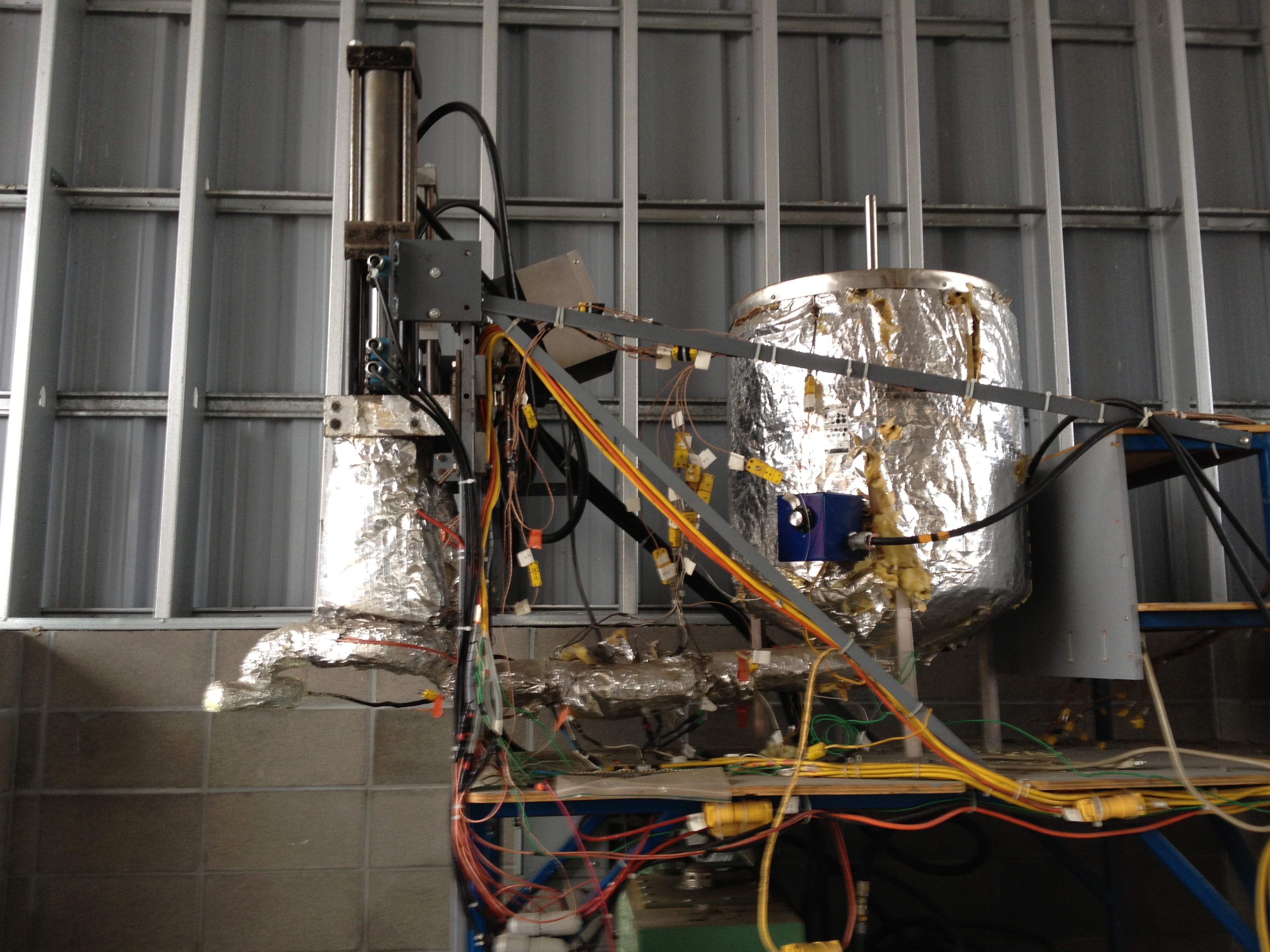
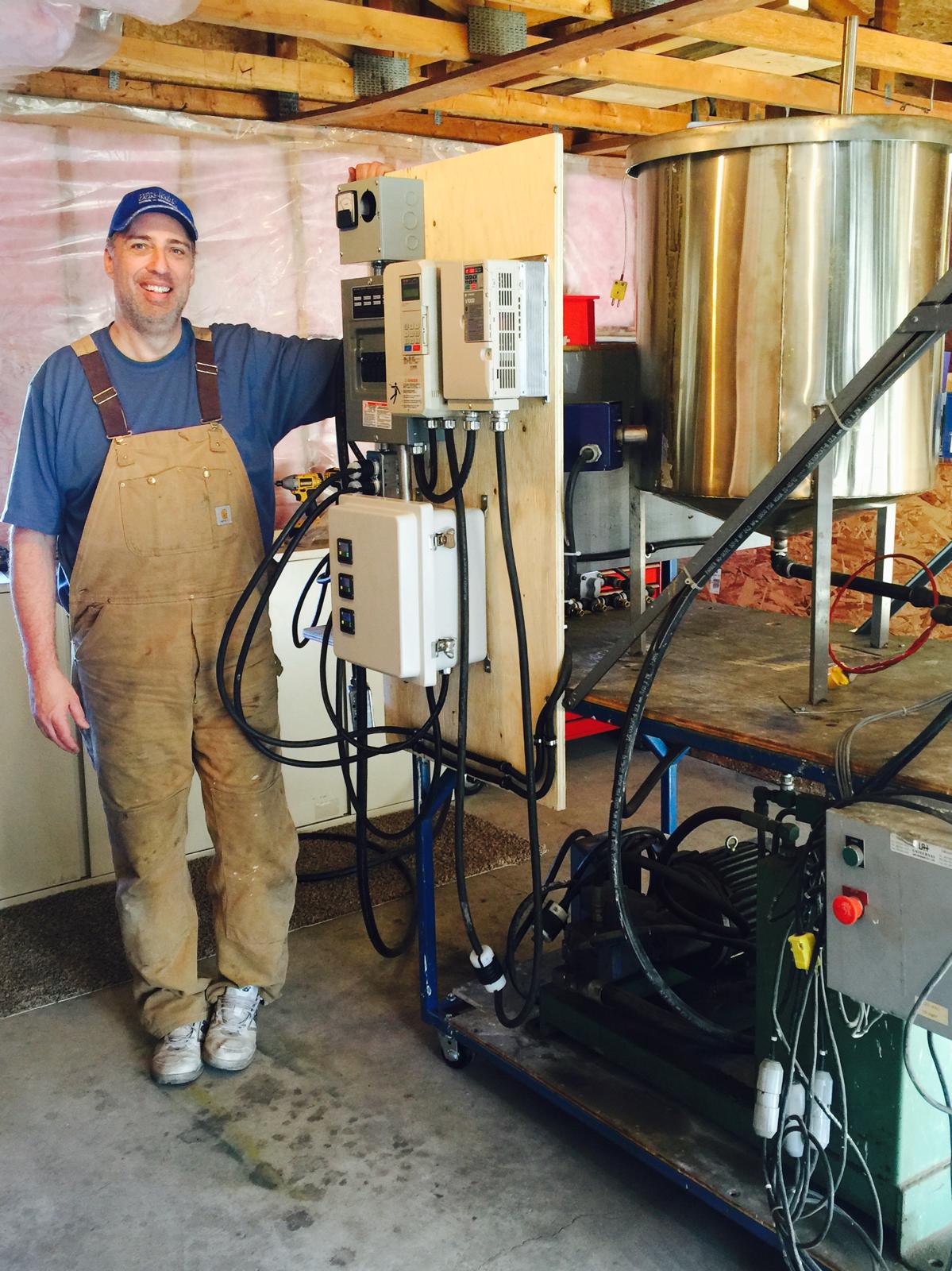
“We got the old equipment, what was left of it. There were boxes of lab notes, partial data, and pieces of a process that had never been commercialized,” recalls Sultech founder and CEO Murray MacKinnon.
What they uncovered was more than a forgotten experiment, it was the foundation for a major break through in crop nutrition.
“We thought we were just going to make a better elemental sulphur, ”MacKinnon says. “But once we got into field trials, we realized we had something that could match – and in some cases outperform –synthetic sulphate fertilizers.”
At the same time, a global shift was quietly reshaping agriculture. For decades, sulphur was an overlooked nutrient, delivered naturally through atmospheric deposition. But as emissions declined and crop yields increased, that balance disappeared.
“Sulphur used to fall from the sky,” explains MacKinnon. “Now it doesn’t, and we’re growing more food on the same acres, pulling more nutrients out of the soil. We’re seeing deficiencies around the world, and it’s limiting yields.”
The challenge wasn’t just about supply, it was about performance. Traditional elemental sulphur, while abundant, oxidizes too slowly to meet crop demand within a single growing season. Synthetic sulphates fill that gap, but come with limitations in cost, efficiency, and environmental footprint.
Sultech’s answer is rooted in particle size.
“If you can make sulphur small enough, it becomes incredibly effective. The challenge was figuring out how to do it safely, economically, and at scale.”
Through its patented micronization process, Sultech converts molten sulphur into ultra-fine particles that dramatically increase surface area, allowing soil microbes to rapidly convert it into plant-available sulphates.
The result: sulphur that works in the crop year when it’s needed most, not years later.
But the real impact goes beyond agronomy.
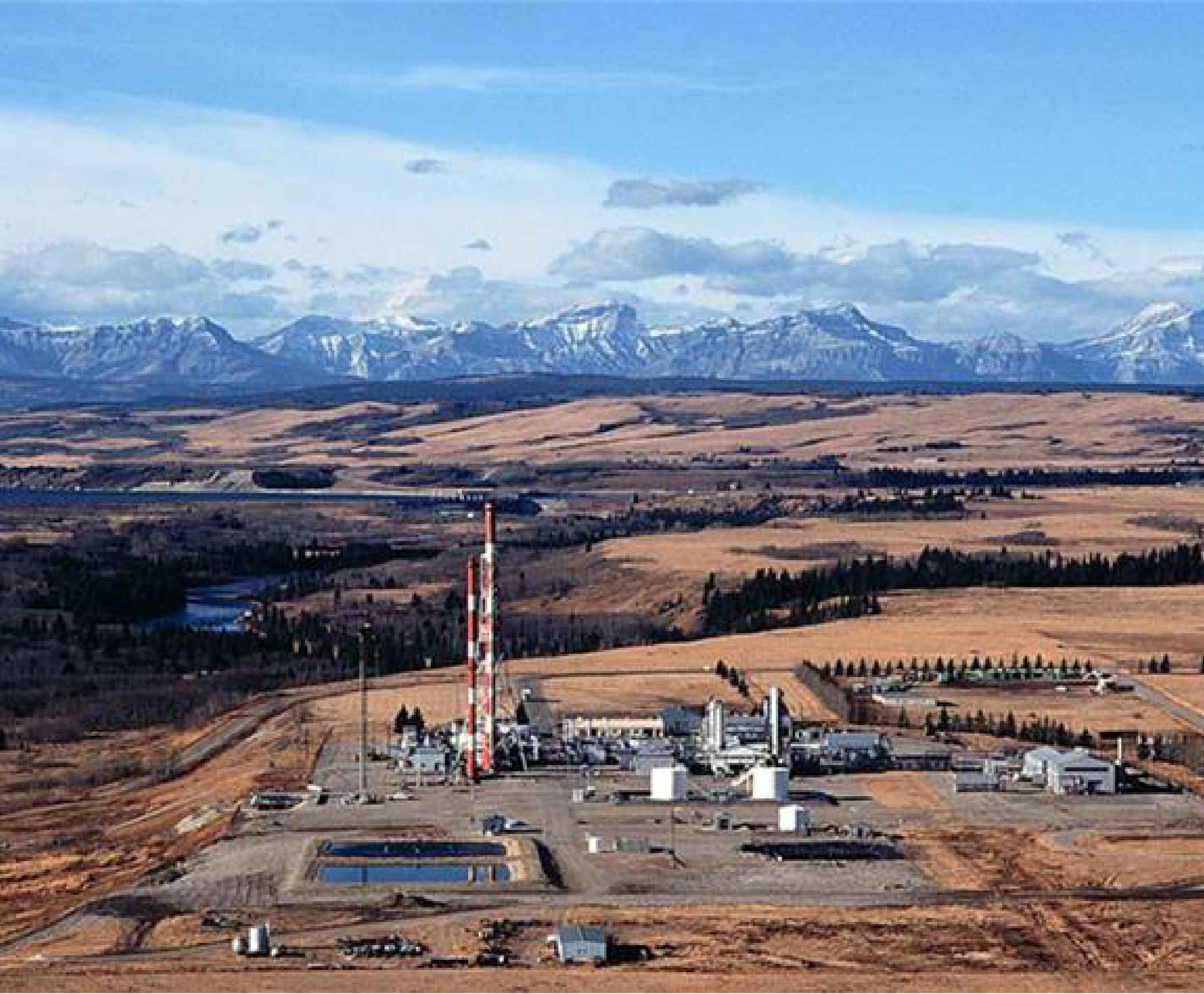
“We’re taking a by-product from oil and natural gas processing that needs somewhere to go,” says MacKinnon, “and instead of exporting it or stockpiling it, we’re turning it directly into a high-performance crop nutrient.”
That connection between energy and agriculture is what defines Sultech’smodel.
“It’s a simple idea, but powerful,” he adds. “Take something low value, and make it high performance, safely and efficiently. We have a product portfolio that is ready to meet growing demand around the world.”
After more than a decade of development and hanging on to an idea when others may have quit, Sultech is now scaling that vision through production expansion, entering global markets, and delivering a solution aligned with the realities of modern farming.
Right technology. Right timing. Real impact.







.svg)